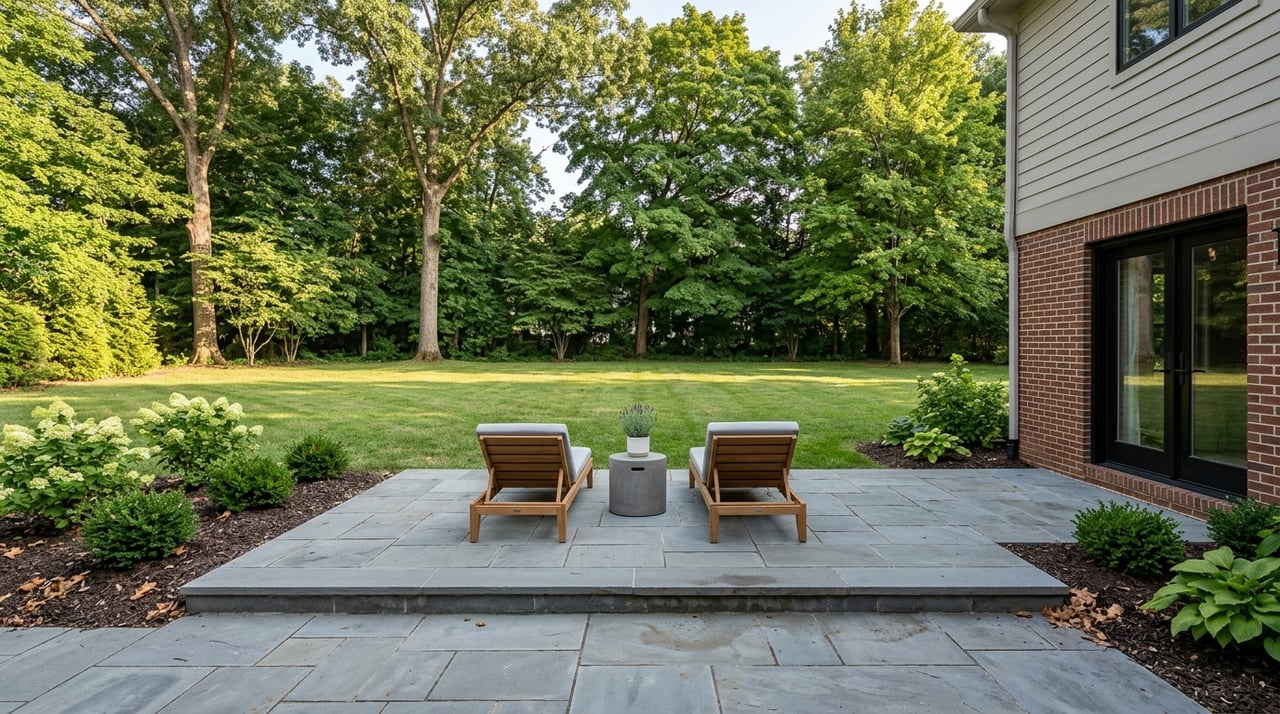
What To Know Before Buying A Home On A Larger Lot In Kildeer
April 23, 2026
Dreaming about more yard, more privacy, and a little more breathing room? In Kildeer, a larger lot can absolutely deliver that, but it also comes with details you will want to understand before you buy. From utility setup to future improvement rules, knowing how these properties work can help you make a smarter decision and avoid surprises later. Let’s dive in.
Kildeer is not your typical suburban setup. According to the Village of Kildeer, the community spans about 2,625 acres with roughly 1,200 residences and nearly 4,000 residents, all within a landscape that includes wooded areas, ponds, lakes, streams, wetlands, and other natural habitats.
That matters because in Kildeer, the lot is often a major part of the property’s value and everyday appeal. You are not just buying a house with a backyard. You are often buying a more natural setting, more separation from neighbors, and a property experience that feels different from a standard subdivision lot.
Kildeer’s zoning code helps explain why larger lots are so common. In the R-1 single-family district, a new home must be on at least one acre, with at least 150 feet of width at the building line and 175 feet of depth, according to the village code library.
The code also notes that private septic systems are prohibited on lots smaller than one acre. At the same time, some areas are served by Lake County Public Works sanitary sewer service, which means utility service can vary from one property to the next. That is why it is important to verify the specific setup for any home you are considering rather than assume all large-lot properties function the same way.
A larger lot in Kildeer often appeals to buyers who want more privacy, more outdoor space, and more room between homes. If you are hoping for space for a patio, garden, play area, or future outdoor project, Kildeer can be very attractive for that reason.
Still, bigger does not always mean unrestricted. The Village of Kildeer notes that setbacks, easements, and subdivision-specific restrictions may affect how much of the lot is actually usable. Before you fall in love with a property based on acreage alone, make sure you understand where you can and cannot build or change things.
If you are already picturing a detached garage, gazebo, or shed, pause before assuming it will be simple. Kildeer’s accessory building requirements state that structures like sheds, detached garages, and gazebos require permits, and most must be at least 35 feet from side and rear property lines and 75 feet from the front property line.
In some cases, HOA approval may also be required. The village also notes that many new construction applications go through its Architecture Committee, and if a property has a septic or well system, Lake County Health Department approvals may be part of the process too.
More land usually means more upkeep. On a larger Kildeer lot, that can include landscaping, tree care, drainage monitoring, and seasonal maintenance that may be more involved than what you would see on a smaller suburban parcel.
The village’s new residential construction guidance asks applicants to identify existing trees, document topography, and show tree protection plans. That gives you a good clue about what ownership can look like here. Mature trees, changing grades, and natural features are often part of the package, and they deserve attention during both your home search and inspection period.
Some larger-lot homes may rely on septic systems, private wells, or both. If that is the case, make sure you understand both the current condition and the long-term maintenance expectations.
The EPA’s septic guidance recommends inspecting septic systems every 1 to 3 years and pumping them every 3 to 5 years. For private wells, EPA recommends annual testing for coliform bacteria, nitrates, total dissolved solids, and pH. In plain terms, these systems are manageable, but they do add responsibilities that many buyers do not encounter in a standard public sewer and water setup.
Kildeer’s housing stock is not one-note. The village’s neighborhood overview includes older subdivisions like Boschome Farms, Long Grove Valley, Pine Valley, and Meadowridge, along with newer communities such as Prairie Creek, Sanctuary Club, Wentworth, and Westbury.
You will also find a mix of estate homes, custom homes, villas, maintenance-free living areas, cluster subdivisions, and duplex homes in planned developments. For you as a buyer, that means two homes with similar lot sizes may offer very different ownership experiences depending on the subdivision, home age, and governing rules.
This is one of the smartest questions you can ask. A property may have impressive acreage on paper, but the truly usable portion may be shaped by easements, setbacks, drainage patterns, mature trees, and natural features.
When you evaluate a larger lot, look at the full site, not just the front lawn and listing photos. Think about where you would place outdoor furniture, where kids or guests would spend time, and whether future projects would realistically fit within the rules and site conditions.
Buying well is important, but so is thinking ahead to resale. Large-lot homes in Kildeer often sit in a more premium segment of the market, which can affect both pricing strategy and time on market later.
According to Redfin’s Kildeer housing market data, the median sale price was about $770,000 in March 2026, with a median of 137 days on market and a sale-to-list ratio of 99.7%. Redfin describes Kildeer as somewhat competitive, with some homes receiving multiple offers.
That puts Kildeer in a different tier from the broader county market. Redfin’s Lake County data shows a median sale price of about $390,000 in March 2026. For buyers, that premium can be worth it, but it also means future resale may reward accurate pricing, strong presentation, and a realistic timeline.
When you tour a larger-lot home in Kildeer, keep these questions front and center:
Large-lot homes can be incredible when the property truly fits your goals. They can offer privacy, flexibility, and a setting that feels hard to find elsewhere in the Northwest Suburbs. But they also reward a little more due diligence than the average suburban purchase.
That is where a clear strategy matters. When you understand the lot, the utility setup, the rules, and the resale picture before you write an offer, you put yourself in a much stronger position to buy with confidence.
If you are thinking about buying in Kildeer and want help evaluating lot usability, market positioning, and the details that do not always show up in a listing description, connect with Lindsey Kaplan. You will get thoughtful guidance, clear answers, and a smart plan from the start.
Stay up to date on the latest real estate trends.
At The Kaplan Philpott Group, we combine authenticity, integrity, and collaboration with over 120 years of collective real estate experience to deliver a truly client-centered approach. As a trusted partnership serving Greater Chicagoland, we guide every decision with transparency, care, and a commitment to doing what’s right. When you work with us, your real estate journey is seamless, informed, and thoughtfully led from start to finish.