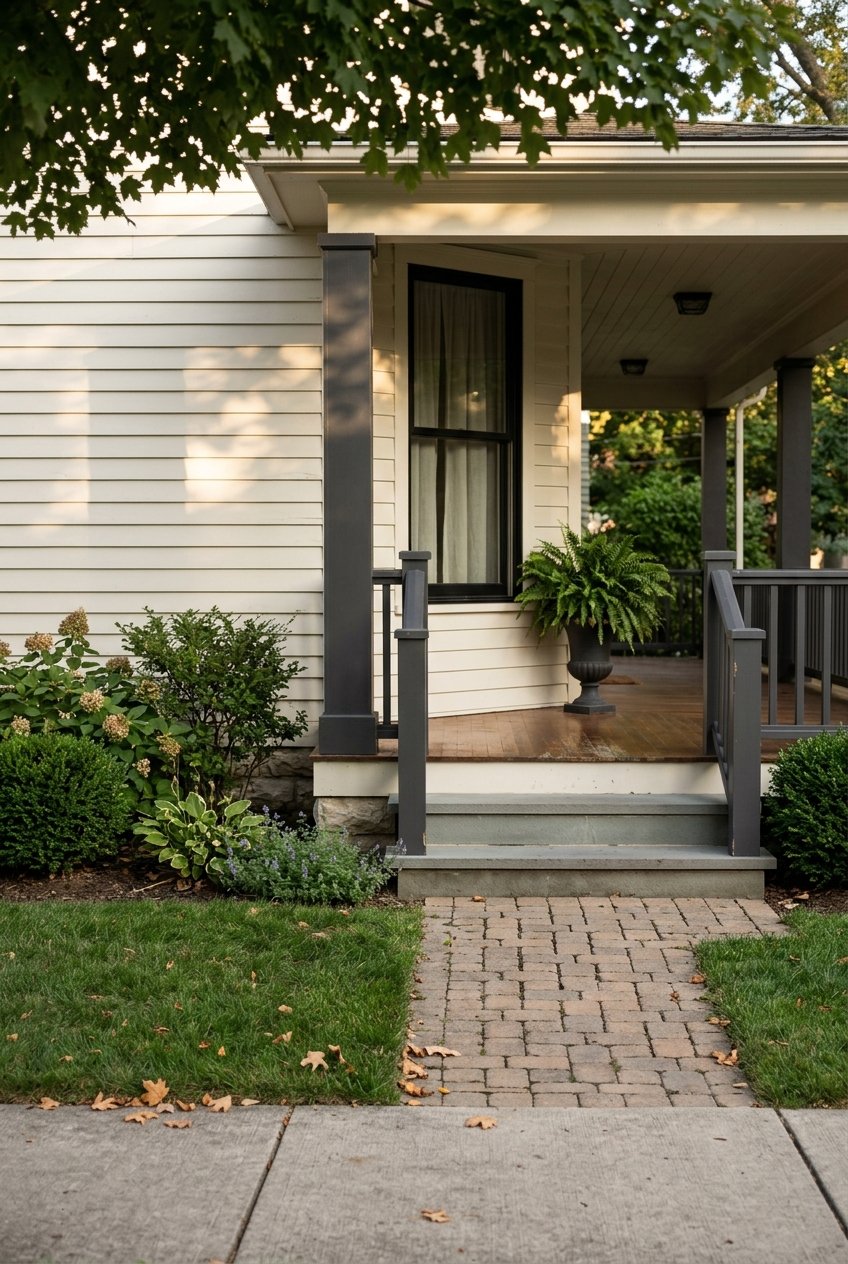
Life In Long Grove’s Scenic And Historic Village Area
May 28, 2026
May 28, 2026
If you want a place that feels tucked away without feeling cut off, Long Grove’s scenic and historic village area stands out fast. You may be looking for charm, open space, or a more peaceful daily rhythm, but you still need practical access to shops, dining, and the wider Chicago region. The good news is that Long Grove brings those pieces together in a way that feels intentional and distinct. Let’s take a closer look at what life here is really like.
Long Grove is a village in Lake County, Illinois, with a population of 8,366 as of the 2020 Census. Village materials note that the area was initially settled in the 1800s and incorporated in 1956. That long history still shows up in the built environment and in the way the village talks about preserving its character.
The historic village area is the heart of that identity. According to the village, Downtown Long Grove is Illinois’ first historic district, created by ordinance in 1960. It remains a focal point for local businesses, dining, events, and one of the area’s most recognizable features, the single-lane covered bridge.
If you picture a downtown with preserved buildings, specialty shops, and a slower pace, that is the appeal here. Village materials describe downtown as home to roughly 120 businesses, along with restaurants, services, and entertainment. It has the feel of a place where errands, lunch, and a casual weekend outing can all happen in the same compact setting.
Long Grove has also invested in keeping that core functional, not just charming. The village says it has reinvested in roads, sewers, lighting, public water, and sidewalks as part of a broader restoration effort. For you as a buyer, that matters because it shows the historic setting is being maintained with everyday usability in mind.
Several preserved structures help define the village’s sense of place. Village materials highlight the Drexler Tavern, dating to about 1859, along with the Archer School and the Ruth Barn near Village Hall. These landmarks are part of what gives the area more texture than a typical suburban commercial district.
That historic character does not mean the area feels frozen in time. Instead, it creates a backdrop for daily life that feels rooted and visually memorable. If you value a community with a clear identity, that is a meaningful part of the Long Grove experience.
Long Grove is known for its low-density, pastoral setting. The village’s community description emphasizes large lots, forests, and conservation areas, while its comprehensive plan says the rural and countryside character remains largely intact. In practical terms, that often translates to more breathing room, more tree cover, and a quieter visual landscape.
For many buyers, that setting is the draw. Homes are often surrounded by wooded or open areas rather than tightly packed streetscapes. Based on village planning materials, Long Grove tends to feel more spacious and custom in character than denser suburban communities.
Conservancy is a major part of local planning. The village says many residential subdivisions include conservancy easements that help protect wetlands, flood-hazard areas, groundwater recharge areas, and open space. These areas are intended to remain natural and undisturbed.
That can be a real advantage if you want a neighborhood with a more natural backdrop. It also means buyers should understand that some nearby land is intentionally preserved rather than available for future development. The village also encourages native planting, which supports the area’s natural beauty and reinforces its countryside feel.
If being outside is part of how you recharge, Long Grove offers strong day-to-day access to nature. Village materials highlight Buffalo Creek and Heron Creek forest preserves within the village, along with Reed-Turner Woodland Nature Preserve. These natural areas help shape the lifestyle as much as the housing does.
The broader Lake County Forest Preserves system adds even more depth. The district manages more than 31,800 acres and over 210 miles of trails countywide, and Buffalo Creek in Long Grove is listed as one of its trail sites. For you, that means scenic walks, trail access, and a little more room to unplug close to home.
Buffalo Creek includes trail additions, boardwalks, scenic overlooks, and a parking area connected to the preserve through collaboration with the village. That makes it one of the area’s more practical and appealing outdoor resources for regular use. It is not just pretty on paper. It is set up for actual access.
Nearby Cuba Marsh adds more variety, with marsh, prairie, woodland, and savanna habitat. Together, these preserved areas support the sense that Long Grove is not only scenic from the road, but also deeply connected to open land and outdoor recreation.
Long Grove is not all quiet roads and wooded lots. The village also has a lively seasonal calendar that brings people into the historic district from spring through the holidays. According to the village’s festivals page, annual events include Craft Beer Fest, Chocolate Fest, Strawberry Fest, Vintage Days, Irish Days, Apple Fest, October Days, and the Vintage Holiday Season.
These events add another layer to daily life. You get the calm of a lower-density setting, but you also have recurring moments when downtown feels active and celebratory. For many buyers, that mix of peaceful surroundings and seasonal energy is part of what makes Long Grove feel special.
Village descriptions of downtown point to a mix of local shops, restaurants, services, and entertainment. That helps explain why Long Grove often feels like a destination, even for people who already live nearby. There is a built-in sense of occasion around the village center.
If you live in or near the historic area, those amenities can become part of your regular routine. Grabbing a meal, browsing local shops, or enjoying a festival does not have to feel like a major outing. It can simply feel like home.
Long Grove’s housing character is closely tied to its planning approach. The village’s comprehensive plan emphasizes large lots and limits on residential house size, with a focus on preserving the scale of homes and lots. That tends to support a setting where homes feel more spread out and less uniform.
If you are considering a move here, it helps to think beyond square footage alone. In Long Grove, the setting around the home can be just as important as the home itself. Lot size, tree cover, conservancy adjacency, and road or utility details may all shape your experience.
This is one of those communities where practical details deserve extra attention. A village profile says nearly 70% of residential subdivision roads are privately owned and maintained by homeowners associations. It also notes that many residents rely on private wells or neighboring systems, while the historic downtown has a small municipal water system.
That does not make the area more complicated, but it does mean you should ask smart questions early. For buyers, road maintenance, utility setup, and HOA rules can matter just as much as layout, finishes, or lot size. A clear review of those details helps you avoid surprises later.
Long Grove’s appeal is partly about feeling removed from the rush, but that does not mean it is isolated. The village says Chicago is accessible by car or via the nearby Buffalo Grove Metra station, which it describes as about 3.2 miles away. The train ride to downtown is listed at about 56 minutes.
That kind of access can be especially helpful if you want a scenic village setting without giving up regional convenience. Whether your routine includes office days, airport runs, or regular travel around the Northwest Suburbs, Long Grove offers a balance many buyers are looking for.
Long Grove can be a strong fit if you want more privacy, more natural surroundings, and a community with a clear visual identity. Buyers are often drawn to the combination of preserved open space, historic charm, and single-family housing in a lower-density setting. It is a place where the overall environment plays a big role in the value of living there.
It may also appeal to you if you want a home search that feels more intentional than fast-paced. In a market like this, understanding subdivision details, property setting, and local nuances can make a big difference. That is where strong guidance helps.
If you are exploring Long Grove or weighing whether its scenic and historic village area fits your goals, working with a team that knows the Northwest Suburbs can make the process much clearer. Lindsey Kaplan and the Kaplan Philpott Group bring a warm, strategic approach to helping you evaluate homes, neighborhoods, and the details that matter most.
Stay up to date on the latest real estate trends.
At The Kaplan Philpott Group, we combine authenticity, integrity, and collaboration with over 120 years of collective real estate experience to deliver a truly client-centered approach. As a trusted partnership serving Greater Chicagoland, we guide every decision with transparency, care, and a commitment to doing what’s right. When you work with us, your real estate journey is seamless, informed, and thoughtfully led from start to finish.