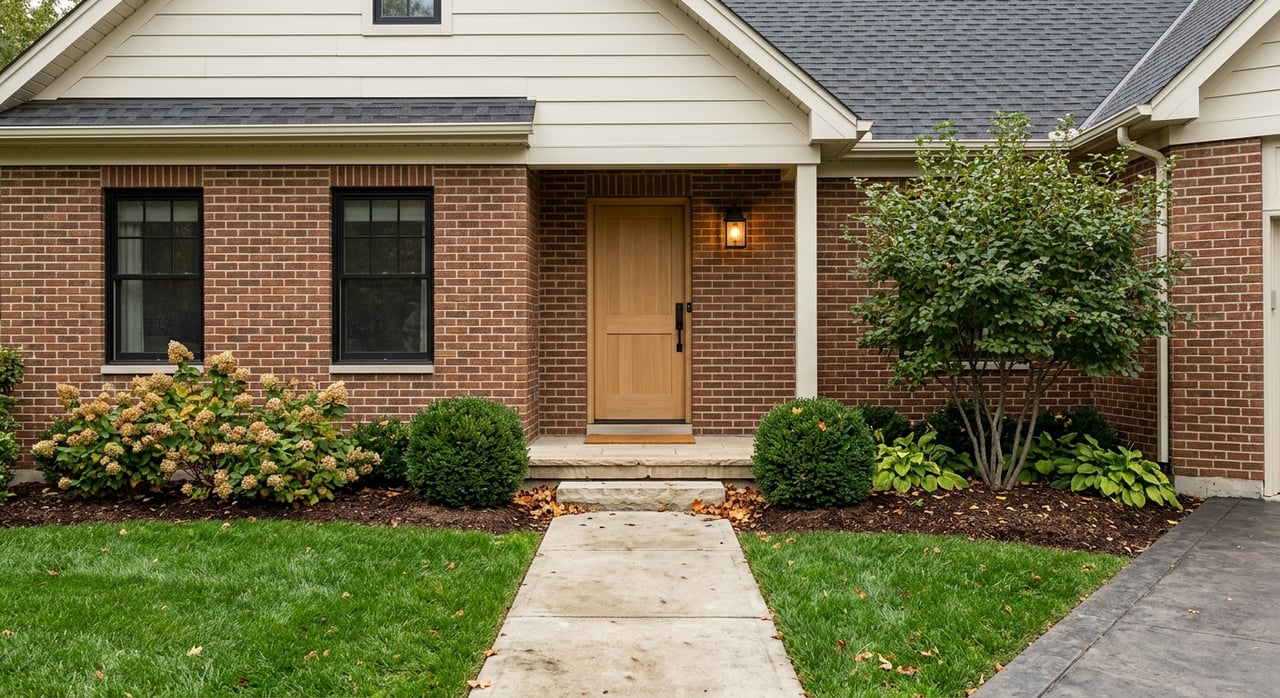
How Different Barrington Areas Shape Your Home Search
June 11, 2026
June 11, 2026
Wondering why one "Barrington" home feels like a walk-to-coffee lifestyle while another feels more like a private country retreat? That’s because Barrington is not one uniform housing market, even when listings share the same mailing address. If you’re trying to narrow your search, understanding how different Barrington areas function can help you focus faster, ask smarter questions, and choose a home that truly fits your day-to-day life. Let’s dive in.
When you search for homes in Barrington, you are not always looking at one single municipal setup. The Village of Barrington describes itself as the hub of the broader 90-square-mile Barrington area, which includes seven independent villages. Some properties with Barrington addresses are also unincorporated, which means they are outside village zoning and building records.
That distinction matters more than many buyers expect. Two homes with the same Barrington mailing address can come with very different lot sizes, service expectations, and development patterns. In practical terms, your home search should focus on the property’s actual location and governing area, not just the city name in the address.
The village is also nearly landlocked and largely built out. According to Barrington’s comprehensive plan, most future growth comes through redevelopment within the village or annexation of unincorporated residential land. For you, that means existing neighborhood character plays a big role in what each area offers.
If you want to be close to daily errands, dining, and transit, in-town Barrington is often the most natural fit. The village center is planned as an active, pedestrian-friendly, multi-use area that serves as the main retail and civic hub. The Metra station is also right in the village center, connecting Barrington to Chicago.
The downtown core brings together shops, restaurants, banks, professional services, and civic destinations within walking distance of each other. That makes this area especially appealing if you value convenience and a more connected, less car-dependent rhythm. If your ideal weekend includes coffee, errands, and the train all within a short distance, this is the part of Barrington to study closely.
Housing in and near downtown often reflects that more compact setup. Barrington’s smaller residential zoning districts include R-6 lots at 7,500 square feet, R-5 lots at 10,000 square feet, and R-4 lots at 15,000 square feet. The village planning framework also supports low- to medium-density attached housing near the center, such as rowhomes or condominiums.
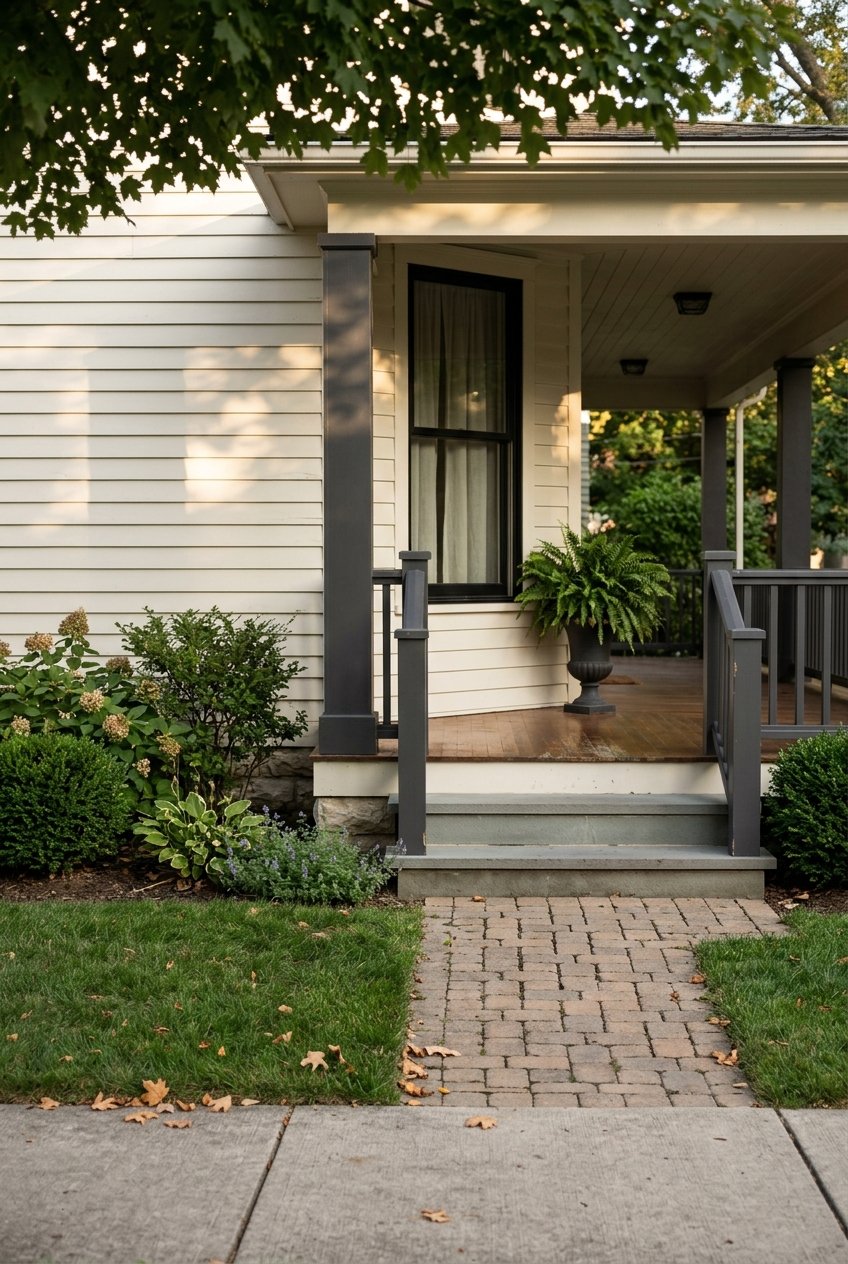
One major feature of in-town Barrington is its historic character. Barrington’s Historic District is listed on the National Register of Historic Places and is one of the largest frame-home historic districts in Illinois. You’ll find architectural styles like Folk, Craftsman, Victorian, and Queen Anne, which give the area a distinct look and feel.
For many buyers, that character is a real draw. At the same time, historic ownership can come with extra review steps. In the Historic Overlay District, exterior modifications require approval from the Architectural Review Commission and a Certificate of Appropriateness.
That does not make historic homes a bad fit. It simply means you should weigh the charm against the added process if you plan to make visible exterior changes. If you love older architecture but also want flexibility for updates, this is an important conversation to have early.
If you want more yard space and easier access to recreation, some Barrington areas offer a strong middle ground. The village highlights open space as a defining part of the community, with preserves in Lake and Cook counties, Fox River access, and trail connections from Citizens Park to Cuba Marsh. Barrington is also widely associated with open land and equestrian heritage.
One example is Neighborhood Twelve, which includes Fox Point North, Fox Point East, Listhartke, Tall Trees, Castle Court, Barrington Hilltop, and Barrington Meadows. This area is mostly made up of homes on lots of at least 20,000 square feet around Lake Louise, with Cuba Marsh extending into the neighborhood. That creates a setting that can feel more spacious and nature-oriented than the downtown core.
For buyers, this type of area can offer a useful balance. You may get larger yards and closer access to preserves or paths, while still staying closer to Barrington amenities than you would in a more rural fringe location. The trade-off is that you are usually giving up some walk-to-errands convenience.
If privacy and land top your wish list, Barrington’s outer areas may feel very different from the village center. The village comprehensive plan describes some edge neighborhoods as unincorporated, predominantly single-family, and built on much larger lots. In Neighborhood Fourteen, lots are generally two acres or larger, while Neighborhood Fifteen north of Taylor Road is described as predominantly unincorporated and agricultural with five-acre residential zoning.
These areas can deliver the country feel many buyers associate with Barrington. You may find more separation between homes, more natural surroundings, and a quieter daily setting. If your priority is space to spread out, these areas can be worth the added search time and due diligence.
Nearby Barrington Hills is also a common reference point for estate-style living. Barrington Hills states that most parcels are five acres or larger and describes privacy, tranquility, trails, forest preserve land, and horse-country living as key features. It also notes that properties can range from one acre to more than 10 acres, with options for keeping horses and raising animals.
The appeal of acreage is real, but so is the need to verify details. In some outer Barrington areas, utilities and infrastructure can differ from what buyers expect in more central neighborhoods. For example, the village comprehensive plan notes that part of Neighborhood Eleven west of Lake Zurich Road uses a common well and private septic tanks.
That means your search should go beyond square footage and lot size. In larger-lot or unincorporated areas, you should confirm utility setup, road responsibility, and annexation status early in the process. These details can affect your costs, maintenance expectations, and renovation plans.
This is especially important because some Barrington addresses are outside village jurisdiction. The village notes that surrounding parcels may carry a Barrington address without having village zoning or building data. In many cases, five-digit addresses are often outside the village, which is a useful clue but still something to verify directly.
Lot size is not just a number on a listing sheet. It often changes how a home lives, how much maintenance you take on, and how connected you feel to nearby amenities. In Barrington, that range can be dramatic, from compact in-town lots to multi-acre properties.
Smaller in-town lots can support a simpler maintenance routine and a more connected location near downtown amenities and transit. Larger lots can offer privacy, outdoor flexibility, and a more secluded setting. Neither is automatically better. The right fit depends on how you want your days to feel once you move in.
A smart home search starts by being honest about your priorities. If you want to walk to the Metra and downtown destinations, focus your search accordingly. If you want preserves, larger yards, or acreage, be ready to expand your search area and ask more parcel-specific questions.
Before you fall in love with a specific property, it helps to get clarity on a few basics.
Barrington 220 serves all or part of Barrington and several surrounding communities, and the district uses attendance boundaries for home school assignments. If that matters to your search, confirm the specific assignment for the address rather than assuming based on the mailing city alone.
The biggest takeaway is simple: Barrington is a collection of different living experiences, not a one-size-fits-all market. Once you know whether you want walkability, historic charm, open-space access, or estate-style privacy, your search becomes much more focused and much less frustrating.
If you’re trying to sort through which Barrington area best matches your goals, Lindsey Kaplan can help you build a search strategy with clarity, local context, and a plan that fits how you actually want to live.
Stay up to date on the latest real estate trends.
At The Kaplan Philpott Group, we combine authenticity, integrity, and collaboration with over 120 years of collective real estate experience to deliver a truly client-centered approach. As a trusted partnership serving Greater Chicagoland, we guide every decision with transparency, care, and a commitment to doing what’s right. When you work with us, your real estate journey is seamless, informed, and thoughtfully led from start to finish.