Barrington Village Lifestyle Homes and Housing Options
April 16, 2026
If you are looking for a suburb that feels more like a true village than a spread-out commercial corridor, Barrington deserves a closer look. For many buyers, the challenge is finding a place that balances charm, convenience, and realistic housing choices without giving up access to downtown Chicago or everyday amenities. Barrington offers a mix of historic character, commuter access, and evolving housing options that make it stand out in the Northwest Suburbs. Let’s dive in.
Barrington describes itself as a historic suburb about 40 miles northwest of Chicago and the hub of the broader Barrington area. According to the Village of Barrington, the village has 10,722 residents and serves a regional area of more than 47,000 residents across seven independent villages. That larger role helps explain why Barrington feels active and connected while still keeping a small-town identity.
A big part of that identity comes from the layout of downtown. The village center is surrounded by a residential historic district, which gives the core a more traditional village feel instead of a typical suburban strip. If you value a place where the downtown and nearby residential areas feel tied together, Barrington checks that box.
Barrington’s downtown is officially planned as a mixed-use village center with retail, office, restaurant, institutional, and residential uses. In the village’s Village Center plan, downtown amenities include specialty shops, restaurants, grocers, service businesses, and community anchors like the Metra station, Barrington's White House, the Catlow Theater, the Ice House Mall, and Cook Street Plaza.
For you as a buyer, that means Barrington is not just a place to sleep and commute. It is a place where errands, dining, events, and community spaces all come together in one central area. That kind of setup can shape your daily routine in a meaningful way.
Lifestyle is not just about buildings and streets. It is also about what actually happens there week to week. Barrington’s special events calendar highlights annual traditions and recurring events including the Holiday Festival, Town-Warming, Memorial Day Parade and Ceremony, Art Festival, Metra Lot Concerts, Thursday Night Out, Fourth of July Parade, Sizzlin’ Sale Days, Fall Wine Walk, Plein Air, and the Scarecrow Festival.
The village also emphasizes weekly Farmers’ Markets and Thursday-night events. These traditions help create a downtown that feels active rather than static, which can be a major draw if you want more than a quiet residential setting.
One of Barrington’s key gathering spaces is Barrington's White House. The village describes it as a center for concerts, performances, lectures, art exhibits, and community gatherings. It is one more example of how Barrington supports a village-center lifestyle through shared spaces and regular programming.
For buyers relocating from another suburb or from the city, this matters. Cultural spaces and civic gathering places can make a community feel more established, more connected, and easier to settle into.
For many Northwest Suburbs buyers, commute options are part of the decision from day one. Barrington’s biggest transportation advantage is its Metra station on the Union Pacific Northwest line, located at 201 S. Spring Street. The station is ADA accessible, sits in fare zone 4, and includes 914 parking spaces across eight lots.
That kind of rail access can be especially appealing if you want a downtown-centered lifestyle without giving up regional connectivity. Barrington’s planning documents also note that the village center is linked by major roadways including Main Street and Lake-Cook Road, as well as Hough Street and Route 59.
Barrington’s village-center planning goes beyond traffic flow. The official plan says downtown destinations should be connected by attractive pedestrian links and signage, and that the village-center subareas are within walking distance of each other and near the Metra station. In spring 2026, the village also began a downtown streetscape project on Cook Street, Station Street, and part of Park Avenue that includes new sidewalks, clay brick accents, and landscaping, according to the Village Center plan.
If you care about being able to park once and move around on foot, this is worth noting. Barrington’s planning direction supports a more connected downtown experience over time.
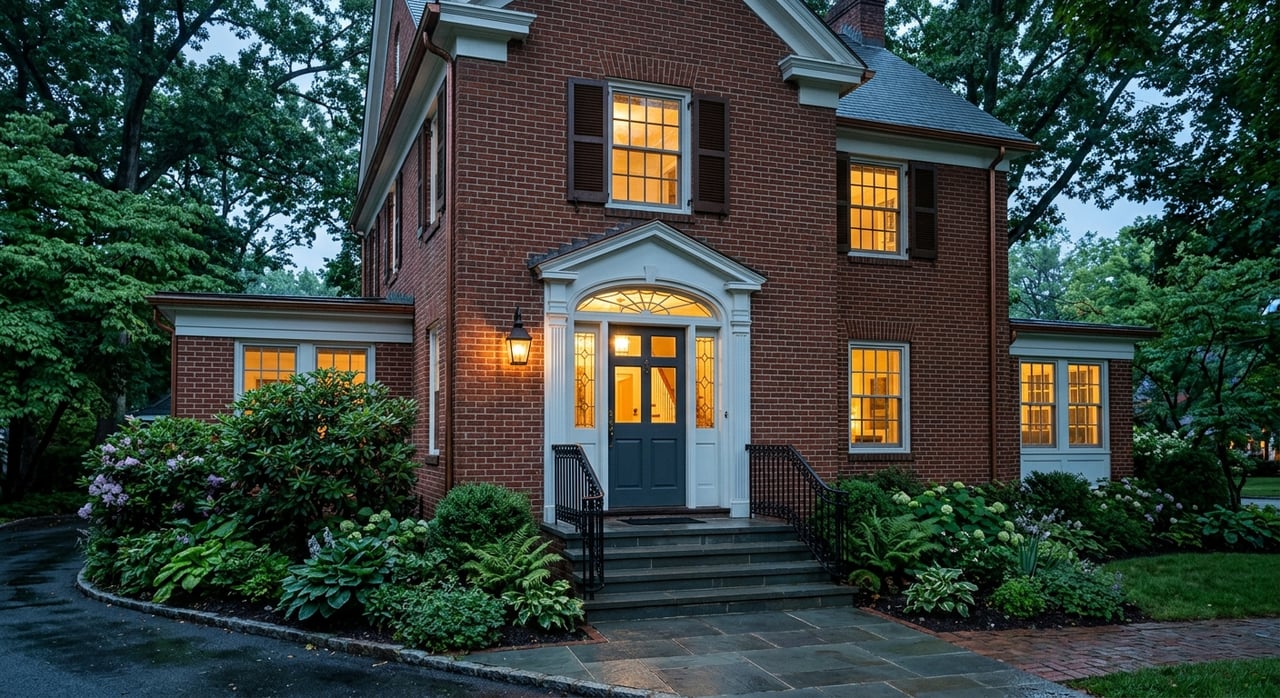
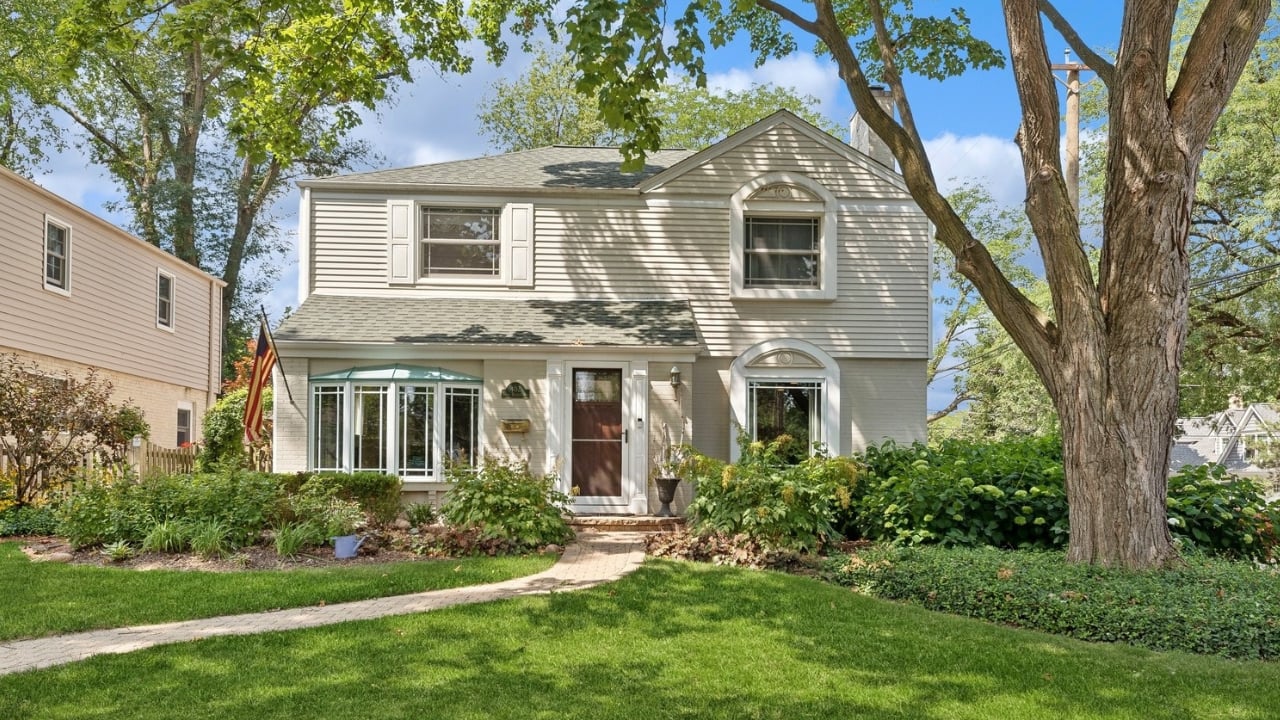
One of the most appealing things about Barrington is that its housing stock is not one-note. The village’s housing plan describes a range that includes historic homes dating back to the 1800s as well as newer housing choices. That mix can open the door to different price points, maintenance preferences, and lifestyle goals.
If you are starting your search, it helps to think of Barrington as offering several housing paths rather than one standard suburban formula.
Barrington’s Historic District plays a major role in the village’s identity. The village explains that the district is listed on the National Register of Historic Places and is one of the largest frame-home districts in Illinois, with examples of Folk, Craftsman, Victorian, and Queen Anne architecture in the area. You can read more through the village’s history and architecture overview.
For buyers who love older homes, Barrington offers real architectural variety and a sense of place that can be hard to replicate in newer communities. At the same time, the Historic Overlay District requires review for many exterior changes, which is important to understand if you are considering updates or exterior improvements.
Barrington is not frozen in time. The housing plan specifically points to newer and more varied housing types, including the 101 W. Liberty Street apartments and the Brentwood and Roslyn Meadows townhouse developments. The same plan notes that townhomes and rowhomes may be appropriate in transitional areas and that multifamily housing may fit within the Village Center when paired with first-floor commercial uses.
That matters if you want lower-maintenance living, a more compact footprint, or a housing type that supports a lock-and-leave lifestyle. It also reinforces that Barrington can work for more than one stage of life.
Barrington remains strongly rooted in owner-occupied housing. Based on 2015 to 2019 ACS data cited in the village housing plan, about 73 percent of housing units were owner-occupied and 27 percent were renter-occupied. The same snapshot showed 2,817 single-family detached units and 1,089 multifamily units.
That data tells you Barrington still leans heavily toward traditional single-family living, while also offering meaningful variety beyond it. In other words, you can find options, but single-family homes remain a core part of the market.
If you love mature housing stock, Barrington offers more of it than many newer suburban communities. The village housing snapshot showed 616 housing units built in 1939 or earlier, compared with just 43 units built in 2014 or later. That does not mean there is no new construction. It does mean the community’s character is shaped in part by older homes and established neighborhoods.
For buyers, this often translates into more architectural variety, more mature streetscapes, and a less uniform feel. It can also mean you should go into the search with a clear plan for condition, maintenance, and renovation priorities.
Barrington continues to add housing in targeted ways. In its development updates, the village reported several projects in April 2026, including an 88-home custom luxury single-family subdivision at Claremont, an eight-unit attached single-family rowhome project at 150 Washington Street, and a 125-unit mixed-use residential project in the Mylo development. The same update also referenced a revised 12-unit townhouse concept at Taylor and 20th Streets.
That pipeline is helpful if you want a newer home or a lower-maintenance option but still want to be in Barrington. It also suggests that housing variety is not just part of older planning documents. It is an active part of how the village is evolving.
Barrington can be a strong fit if you are looking for a suburb with a recognizable downtown, commuter rail access, and a housing mix that spans historic homes, townhomes, and newer development. Based on the village’s planning, transportation, historic-preservation, and development materials, it stands out as a community where lifestyle and housing options are closely connected.
You might be especially drawn to Barrington if you want:
Because Barrington offers several different housing experiences, your search will go more smoothly if you define your priorities early. The right fit often comes down to how you rank lifestyle, commute, home style, maintenance level, and proximity to downtown.
A few smart questions to ask at the beginning include:
When you get clear on those answers, it becomes much easier to narrow your options and avoid chasing homes that do not match how you actually want to live.
If you are considering a move to Barrington, working with a team that understands both the broader Northwest Suburbs market and the details that shape each community can make a big difference. Whether you are comparing historic homes, newer developments, or lower-maintenance options near downtown, Lindsey Kaplan can help you build a smart, informed strategy from day one.
Stay up to date on the latest real estate trends.
At The Kaplan Philpott Group, we combine authenticity, integrity, and collaboration with over 120 years of collective real estate experience to deliver a truly client-centered approach. As a trusted partnership serving Greater Chicagoland, we guide every decision with transparency, care, and a commitment to doing what’s right. When you work with us, your real estate journey is seamless, informed, and thoughtfully led from start to finish.